Sigma 50-120mm F2.8: The APS-C Telephoto Zoom I Have Been Waiting For
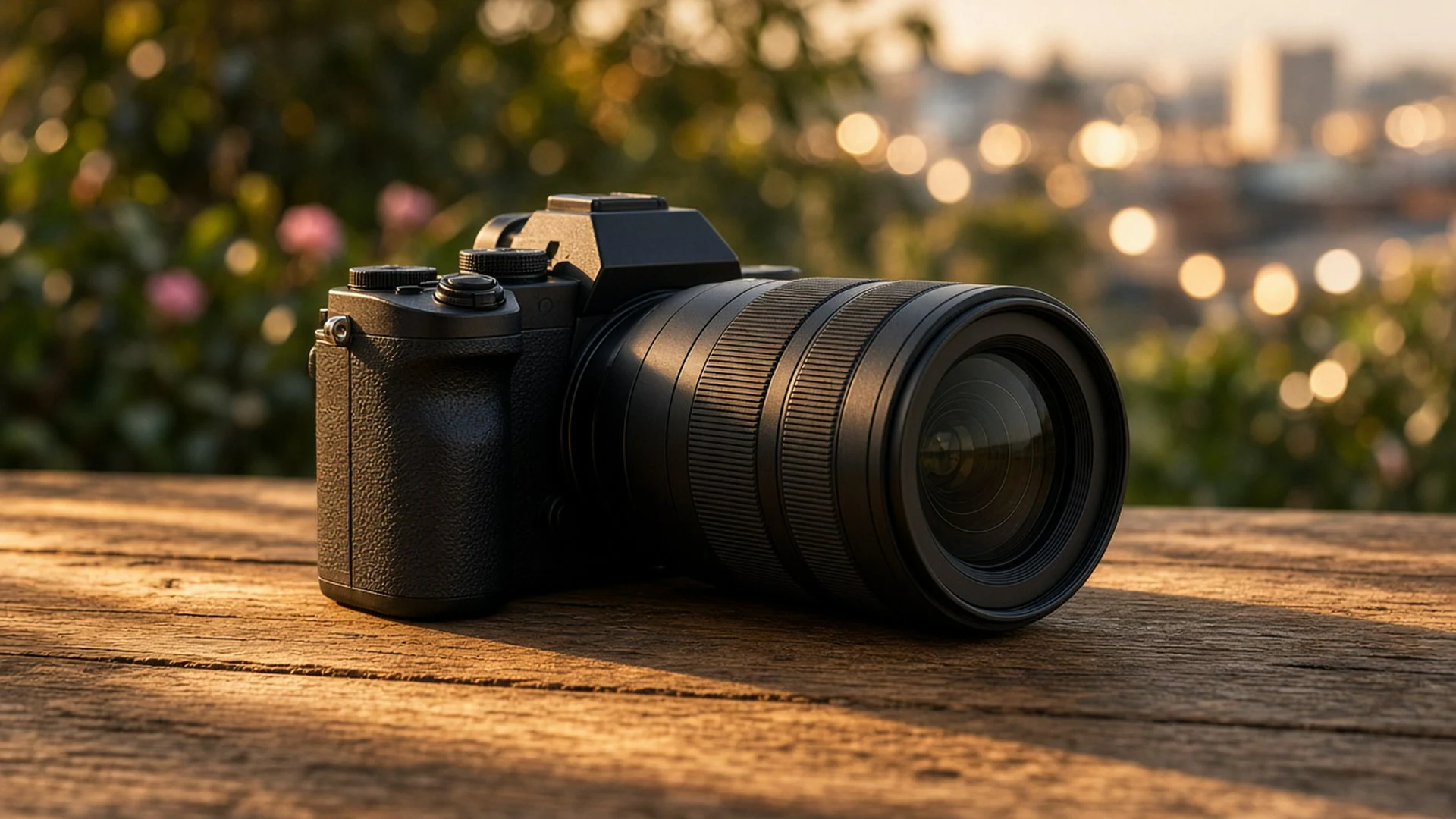
If you shoot on a crop sensor camera, you know the feeling. Your wide and standard zooms are small and bright, and then you look for a telephoto and the choices get heavy, slow, or expensive. Sigma just announced a lens that tries to fix that.
On October 8, 2026, Sigma announced the 50-120mm F2.8 DC OS | Contemporary. It is a telephoto zoom made only for APS-C cameras, and it goes on sale on Thursday, October 22, 2026. In the US the price is $799, and in Europe it is listed at €799.
I read through the full announcement, and I think this one deserves attention from anyone with a Sony, Fujifilm or Canon crop body. Here is what it is, who it suits, and what I would check before buying.
What Sigma actually announced
The lens covers roughly 75mm to 180mm in full frame terms on Sony and Fujifilm bodies (Canon’s tighter crop makes it a little longer). That is the classic portrait and event range, from a tight head and shoulders shot to pulling in a speaker on a stage.
The aperture stays at F2.8 across the whole zoom. So when you zoom in, you do not lose light. For indoor events, evening street work and kids’ school functions, this matters a lot.
Key numbers from Sigma:
- Weight: 390g on Sony E and Fujifilm X, 410g on Canon RF
- Length: 99mm (Sony E version)
- Mounts: Sony E, Fujifilm X and Canon RF
- Stabilization: 6.5 stops at the wide end and 4.5 stops at the long end, by CIPA standards
- Glass: one FLD element, three SLD elements and four aspherical elements
- Autofocus: HLA linear motor
- Controls: a manual aperture ring on the barrel
- Build: dust and splash resistant, with a water and oil repellent front coating
Sigma is clear that “splash resistant” does not mean waterproof. I would still keep a rain cover in the bag during monsoon shoots.
Why 390g matters more than the spec sheet
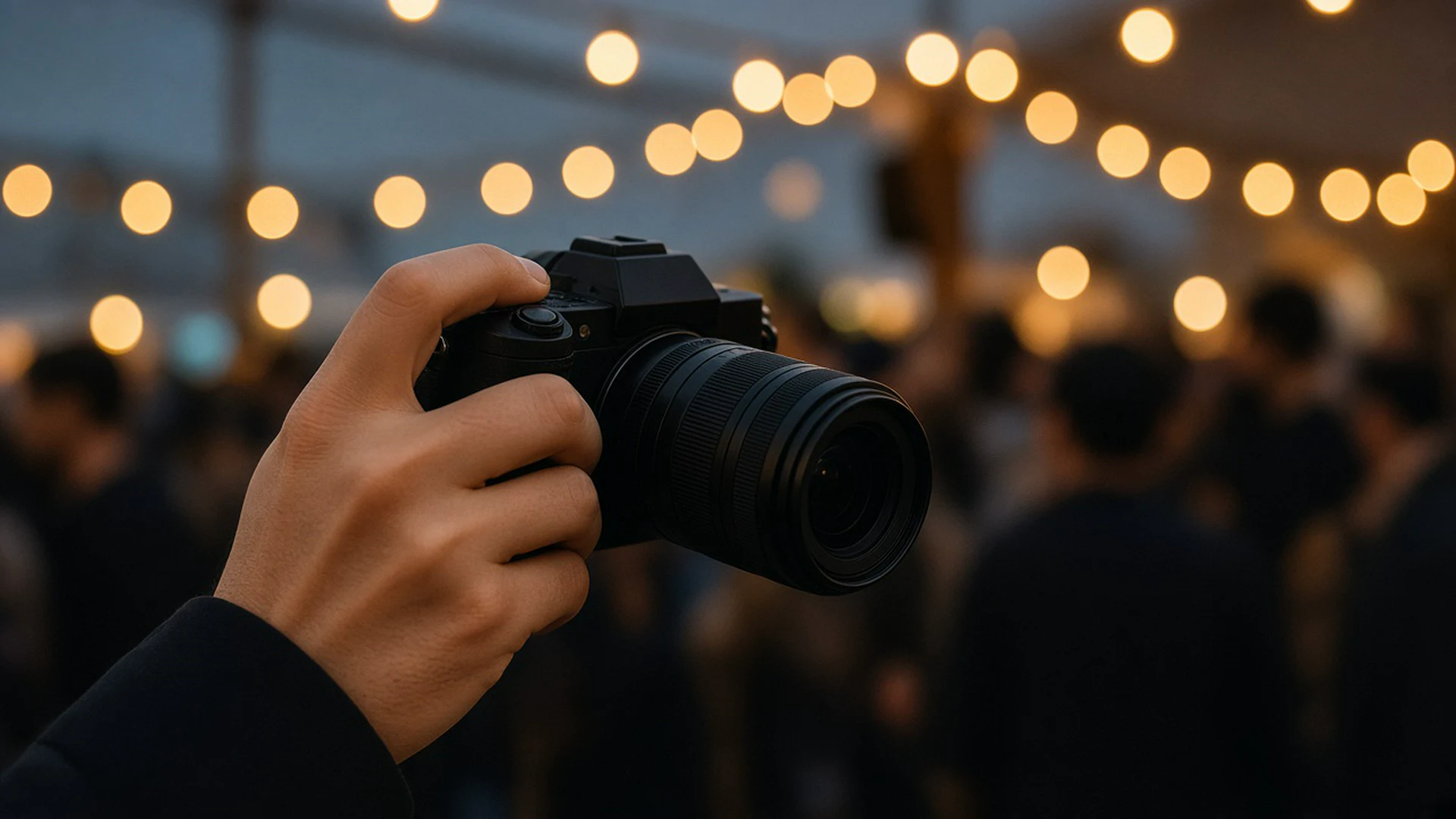
I care about weight because weight decides what leaves the house. A lens that sits at home takes zero photos.
Sigma says this lens completes its constant F2.8 APS-C trio. The other two are the 10-18mm F2.8 DC DN and the 18-50mm F2.8 DC DN, and Sigma says all three together weigh less than 1kg. That means you could cover ultra wide to 180mm equivalent, all at F2.8, with a full kit under a kilo of glass.
For a travel day, a wedding where you are a guest with a camera, or a long walk through a market, that is a real change. You get a bright telephoto without the arm ache.
Features that help in real shooting
Built in stabilization
Many APS-C bodies have no stabilization in the sensor. Optical stabilization in the lens helps those cameras a lot. Sigma quotes 6.5 stops at 50mm and 4.5 stops at 120mm. In plain terms, you can use slower shutter speeds handheld for still subjects, which helps in dim rooms.
Less focus breathing for video
Sigma says the design keeps focus breathing low. Breathing is when the frame seems to zoom in or out slightly as focus shifts. If you film interviews or short reels and pull focus between two people, you will notice the difference.
Fewer switches
Sigma removed the focus mode switch and the OS switch from the barrel. You control those from the camera instead. I like a clean barrel, but if you are used to flicking a switch on the lens, you will need to learn where the setting lives in your camera’s menu.

Who should consider it
I see three groups who will get the most from this lens.
Portrait shooters on crop bodies. The 180mm equivalent end at F2.8 gives nice background blur and that flattering compression. Sigma even mentions both portraits and flat looking product shots as strengths.
Event and family photographers. School stages, temple functions, indoor birthdays. These are low light places where F2.8 and stabilization earn their keep.
Hybrid creators. Low breathing, quiet linear AF and no clunky switches all point to people who shoot stills and video on the same body.
Who should skip it? If you mainly shoot birds or sports from far away, 180mm equivalent will feel short. You will want a longer zoom for that kind of work.
Alternatives are worth a look too. Fujifilm owners already have the XF 50-140mm F2.8, which reaches further but is a much bigger lens. If you rarely shoot in low light, a slower kit telephoto zoom costs far less and may be all you need.
What I would check before ordering
The lens is not shipping yet, so nobody has a copy in normal hands. Before I spend $799, I would wait for these answers from early reviews:
- How fast autofocus tracks moving subjects on my specific camera body, since AF behaviour can differ by mount
- Sharpness wide open at 120mm, which is where cheaper zooms often get soft
- How it balances on your body, since Sigma lists the Canon RF version at 410g against 390g for Sony E and Fujifilm X
- Local price and stock in India, since the official prices I found are in US dollars and euros
A new lens helps, but so does reading light, and my post on how light direction changes ordinary photos is worth a look first.
My takeaway
If you shoot Sony E, Fujifilm X or Canon RF APS-C and you have been missing a light, bright telephoto, put October 22 on your calendar. Sigma says it reaches authorized dealers on that date for $799. My plan is simple: wait a week or two for real world sample photos on your exact camera, check sharpness at 120mm wide open, then decide. If those look good, this could be the one telephoto that actually stays in your bag.
Sources
- Sigma Global announcement, October 8, 2026: https://www.sigma-global.com/en/news/2026/10/08/012345/
- Sigma Press Center (US price and date): https://press.sigmaphoto.com/product/10/sigma-announces-50-120mm-f2-8-dc-os-contemporary/
- Sigma Global product page (specs by mount): https://www.sigma-global.com/en/lenses/c026_50_120_28/
- Sigma Germany product page (EUR price): https://www.sigma-foto.de/50-120mm-f2-8-dc-os-contemporary


Leave a comment